
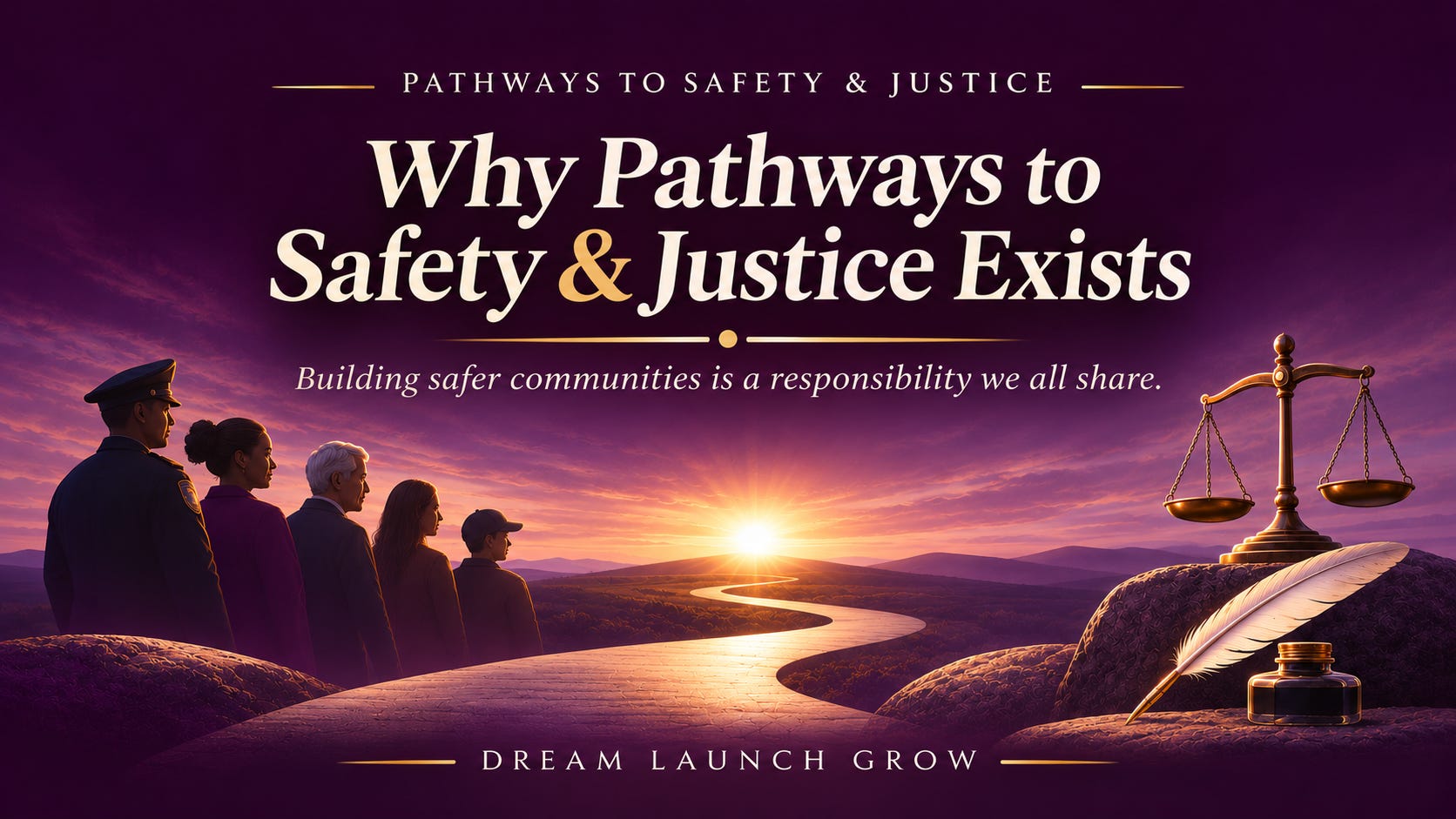
What happens when someone experiencing violence and harm reaches out for help, only to discover the systems meant to protect them are difficult to access, or fail to respond to their immediate needs?
Across Canada, many people experiencing violence, coercion, exploitation, criminal harassment, and other forms of harm can find themselves feeling isolated and alone with few places to turn. The more remote Canadians live, the more difficult it may be to find places of safety and support.
I know this first hand after experiencing living in crises in Rural PEI. Prior years of living prolonged toxic stress lead to a health collapse, which nearly resulted in a financial collapse. Meanwhile, I was in survival and protection mode, choosing self isolating as a form of personal safety. While I made attempts to access services through traditional routes, I was not receiving the response, support or care one would expect. Instead, I was being met with ‘keep the police on speed dial’ if you find yourself in a state of crises and emergency.
Let me tell you, that type of response does not help when you are living in remote PEI without stable internet and cellphone access. Further, this is not the type of trauma-informed response that helps a person feel safe in their community, knowing there are people out there who were actively seeking to cause you devastating harm, and take pleasure in doing so. With one mistake of hiring the wrong people to help clean out an estate property, I unknowingly invited into my life violent drug criminals known to City police, RCMP and the justice system. These people were seeking to exploit my grief which turned into a 5 year nightmare for myself, my daughter and her family. Who knew that there are predators out there who prey on innocent women who are grieving the loss of loved ones. The part that makes matters worse, these are people known to me, people from the same community we grew up in, people I went to school with, played sports and socialized with. The betrayal trauma in matters like this is severe.
What happens when you seek protection and are repeatedly dismissed?
After prolonged periods of being dismissed, you learn not to trust those supposed safety nets because they have failed you time and again. Ultimately, it feels there is more protection given to the perpetrators than the victims and survivors who are often left exposed and vulnerable.
What I can tell you in my case - law enforcement, criminal prosecutors, victim services, and people from my childhood community knew much more than me, and were withholding information, although some gave me just enough information to confirm my suspicions allowing me to make certain safety decisions. I learned that due to the nature of crimes and the parties involved, you can be left completely in the dark of goings-on behind the scenes with your name mentioned in courtrooms that you are not even part of or aware of.
In my case, information came forward through clients from a women’s resource centre, and I am forever thankful to these courageous women. Also, other victims who have shared lived experiences that were exploited by the same people, and by circumstance where some people learned first hand knowledge directly from the criminals themselves, they wanted to bring it to my attention because they were concerned for my safety. In one case, the RCMP were very helpful in ensuring my safety along with Victim Services who confirmed my suspicions and reviewed my rights including an informal safety plan.
Why We Need a Community Response to Creating More Pathways to Safety & Justice
One thing life has taught me, everything happens for a reason and this experience was an awakening to the underbelly of violent drug crime in PEI. While I had been supporting women who were survivors, perpetrators with criminal records, or both, this lived experience has been eye-opening and has given me a deeper understanding and appreciation for their experiences.
When I look back to the many years of delivering empowerment programs and services for vulnerable women, I now realize there was a significant piece missing in my understanding that I could not have fathomed without having lived experiences. I now have first hand knowledge that has equipped me in a way that gives me greater understanding of what many women face when they become victims / survivors of Gender Based Violence associated with violent crime within Canada’s Criminal Justice System. I also now have first hand experience of being a vulnerable rural woman living in isolation with few to no resources who was in need of protection through a Circle of Safety with Pathways to Safety and Justice.
This lived experience has shown me that in order for us to address the needs of people experiencing violence, we need to create spaces that offer a soft place to land, a space that is judgement free, trauma-informed, victim and culturally sensitive. We need a Community Response where individuals and organizations outside of the justice system actively participate in creating Pathways to Safety and Justice so that victims and survivors know where to turn when they are facing violence and crises.
My experience has shown me that dedicated people work within these services every day, yet the gaps between organizations, policies and responsibilities can leave individuals struggling to find the protection and support they need, and the more rural and remote someone lives, the more challenging it is for them to access those services.
Safety is a collective responsibility
Creating safer communities involves much more than the police or the justice system alone.
Community organizations, frontline workers, health professionals, municipalities, local businesses, neighbours and governments all have opportunities to prevent harm, strengthen protection and support people experiencing difficult circumstances. In fact, they often are the first line of contact of a person living in crises. Knowing how to recognize and appropriately respond to people in crises that are standing before you, can mean the difference between safety or further harm, and in some cases the difference between life and death.
When someone reaches out for help, their safety should not depend on where they live, who they know, or whether they understand how to navigate the system. Their safety should be met with compassion and understanding, so they know where to turn and are never met by a closed door. Ultimately, I believe we have both the capacity and the responsibility to build stronger community responses.
Pathways to Safety & Justice is where I intend to examine what community responses could look like, how we collectively can put them into practice, and what must change to make them possible. Through ideas such as Circles of Safety, coordinated community responses and wraparound supports, we can explore ways to ensure people within our communities are met with compassion, understanding, practical assistance, and meaningful choices.
Nancy Beth Guptill
Founder, Dream Launch Grow